
Casino games
Slots: volatility, stake range and paytables
How a paytable is read and why the same balance lasts differently across games.
Updated 2026 · Casino games · Guide

Table games reward a little knowledge far more than slots do, because the rules decide how much of each bet the house keeps over time. Blackjack, roulette and baccarat are the three a new player meets first, and each has a simple core wrapped in a handful of variations. Learning the basic flow of each game makes the table less intimidating and the betting decisions clearer. This page sets out those basics so you can sit down knowing what to expect. Check the current terms on the operator's official terms page, and remember that play is 18+ and should stay responsible.
Blackjack is a race to reach a total close to twenty-one without going over, played against the dealer rather than other players. You receive cards and choose to take another or stand, and the dealer follows fixed rules that usually require drawing below a set total and standing above it. Going over twenty-one is a bust and loses the bet immediately. Beating the dealer's total without busting wins, and a two-card total of twenty-one is the strongest hand.
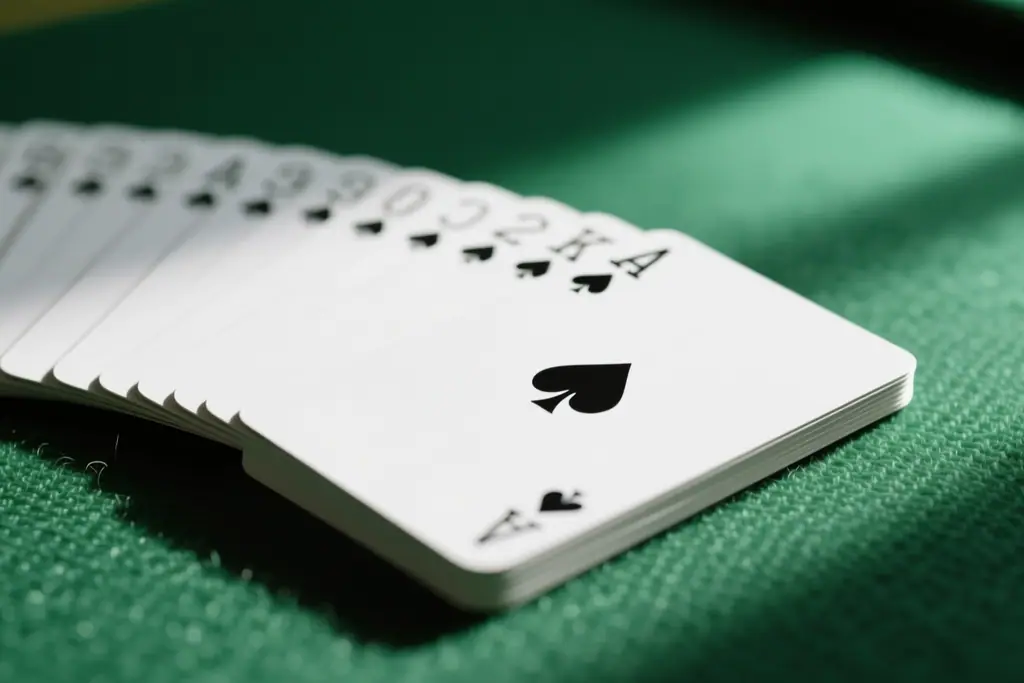
The skill in blackjack lives in the decisions, not in the deal. Basic strategy charts tell you when to hit, stand, double or split based on your cards and the dealer's visible card. Following those decisions consistently reduces the house edge compared with playing on instinct.
Roulette is a single spin of a numbered wheel and a ball, with bets placed on a layout before the wheel is set in motion. Inside bets cover specific numbers or small groups, while outside bets cover broader categories such as red or black, odd or even, or ranges of numbers. Outside bets win more often but pay less, and inside bets pay more but land less often. The wheel layout and the available bets are the same each round, so the game is pure chance.
Different roulette variants add a different number of pockets to the wheel, which changes the house edge slightly. The rules of play stay the same, so the variant mostly matters for the odds rather than the experience. The betting layout stays familiar, so a player who knows one variant can read the others.
Baccarat is a comparison game where you bet on the player hand, the banker hand or a tie. Cards are dealt to two hands and the totals are compared, with the hand closest to nine winning. Drawing rules are fixed and automatic, so the player makes no decisions beyond the initial bet. Because the play is predetermined, baccarat is entirely a game of chance with a small set of betting choices.
The absence of decisions is what draws some players to baccarat and repels others. There is nothing to calculate mid-round, which makes the game simple but also removes any chance of skill affecting the result. For a player who wants a quick, low-thought game, that simplicity is the whole point.
Every table game carries a house edge, meaning the rules give the operator a small long-run advantage on each bet. The size of that edge depends on the game and on its exact rules, which is why two blackjack tables can differ. Better decisions in blackjack reduce the edge, while roulette and baccarat are fixed once you choose your bet. Understanding the edge frames the game as entertainment with a cost, not as a source of income.
| Game | Core decision | What shapes the result |
|---|---|---|
| Blackjack | Hit, stand, double or split | Player decisions and dealer rules |
| Roulette | Which numbers or groups to cover | The spin alone |
| Baccarat | Player, banker or tie | Fixed automatic draw rules |
Every table publishes minimum and maximum bets, and those limits shape how a session plays out. A low minimum stretches a balance but limits the size of any single win, while a high minimum demands more capital per round. Some tables also set separate limits for different bet types. Choose a table whose limits match your budget before you join.
Before you place a bet, read the table's specific rules rather than assuming they match the last one you played. Dealer drawing rules, payout details and any side bets all vary between tables. A few minutes reading the table card prevents avoidable mistakes once the game is moving. Then place a small bet to confirm the flow before you settle into a stake size.
Blackjack, roulette and baccarat all rest on simple mechanics, and the variations are where the small advantages live. Learn the core flow of each, read the specific table rules, and choose limits that fit your budget. None of these games can be beaten by instinct, and knowing the rules does not change the odds. Check the current terms on the operator's official terms page, keep play to 18+ only, and play responsibly.
More guides in the same section.
How a paytable is read and why the same balance lasts differently across games.
Streamed tables, limits, betting windows and what differs from software games.
What practice mode teaches you and the one thing it cannot prepare you for.